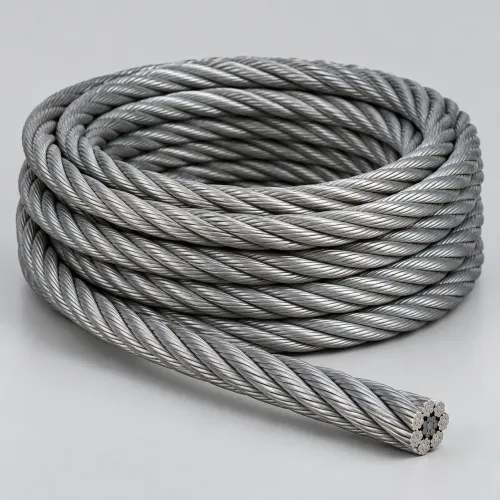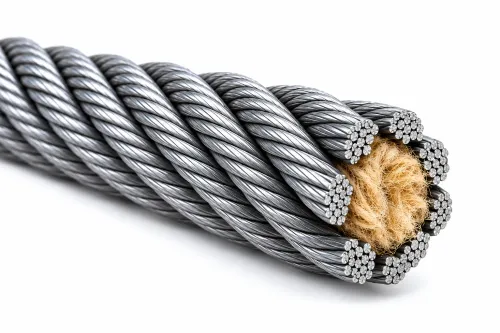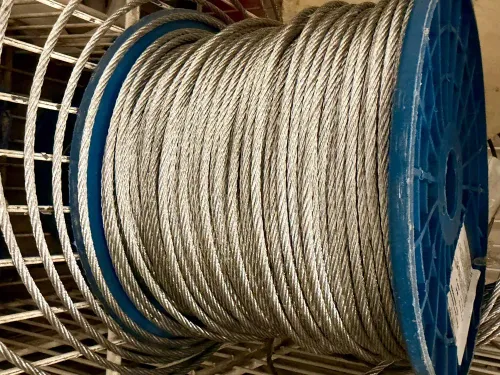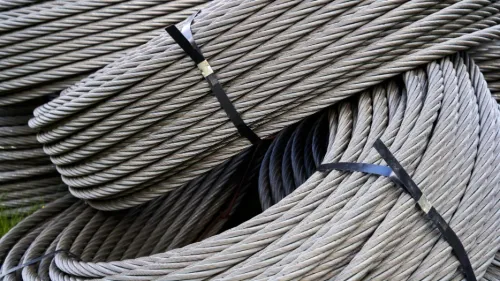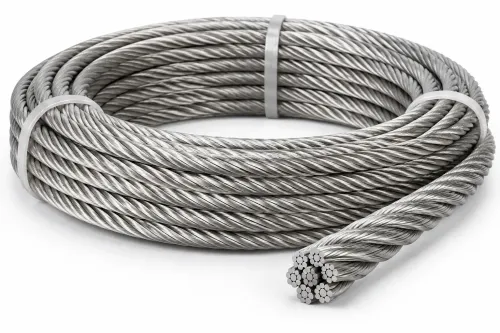
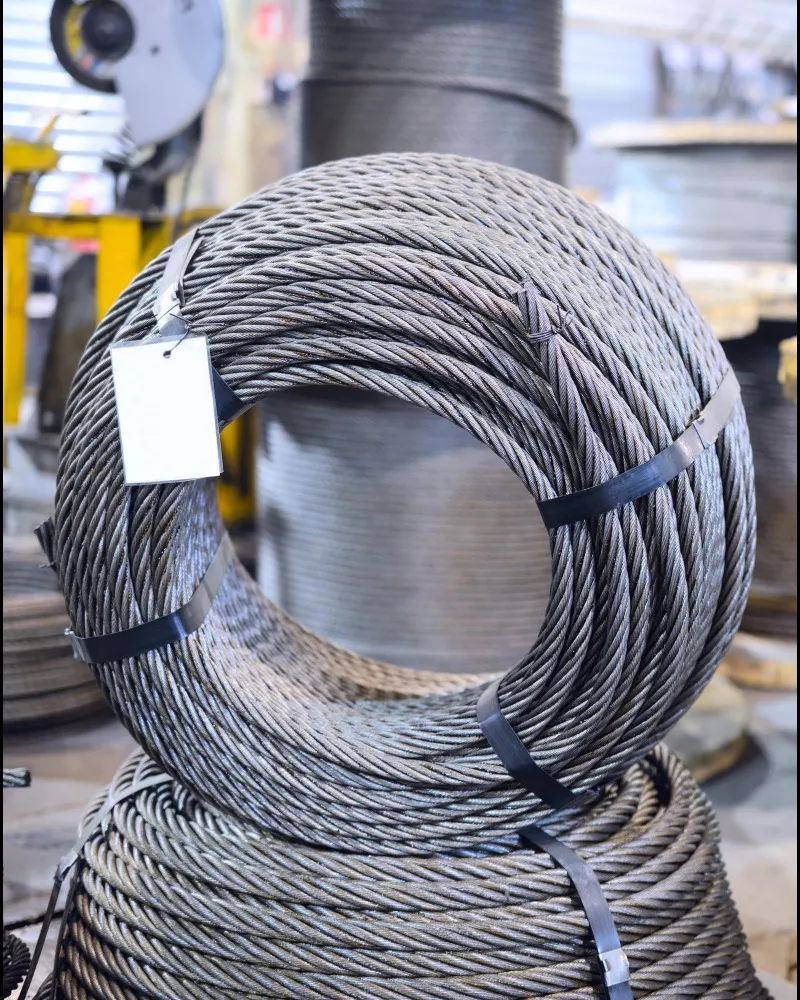
Stainless Steel Wire Rope 304 is used where corrosion resistance, durability, and a clean stainless-steel finish are important. It can be found across industrial, architectural, engineering, marine-adjacent, fabrication, and general-purpose applications.
For buyers in Pune, Maharashtra, understanding the capabilities and limitations of grade 304 is important before treating stainless steel as a universal solution.
What Makes Grade 304 Useful?
Grade 304 is a widely used stainless-steel material with good general corrosion resistance. When converted into wire rope, it combines these material characteristics with the mechanical properties of stranded rope construction.
It may be considered for applications exposed to moisture or environmental conditions where ordinary bright steel would require greater corrosion protection.
Its actual performance still depends on several factors, including:
- Rope construction
- Diameter
- Surface condition
- Applied load
- Operating environment
- Chemical exposure
- Temperature
- Maintenance practices
The term 'stainless' should not be interpreted as meaning that the material can never corrode.
Typical Applications
Stainless Steel Wire Rope 304 may be used in industrial assemblies, architectural systems, fabrication, support applications, control mechanisms, and selected lifting arrangements when the complete rope specification is suitable.
Pune has a broad engineering and manufacturing base, so requirements can range from equipment manufacturing to industrial fabrication.
A buyer should therefore specify the actual application rather than requesting stainless wire rope based solely on diameter.
Consider the Operating Environment
Grade 304 offers useful general corrosion resistance, but aggressive environments can require a different material.
Applications involving persistent salt exposure, chlorides, aggressive chemicals, or harsh marine conditions should be assessed carefully. Grade 316 stainless steel is often evaluated for environments where enhanced corrosion resistance is required.
This does not mean 316 is necessary for every application. Using a higher alloy grade without understanding the operating conditions can increase procurement costs without delivering a meaningful operational benefit.
Rope Construction Still Matters
Material grade is only one part of a wire rope specification.
Two ropes manufactured from 304 stainless steel may behave differently if their strand construction, core, diameter, lay, and other characteristics differ.
Buyers should determine whether the application prioritizes flexibility, fatigue performance, abrasion resistance, structural stability, or another characteristic.
Questions to Answer Before Ordering
A useful procurement enquiry should identify:
- Required rope diameter
- Construction or existing rope specification
- Approximate application
- Operating load
- Required length
- Environmental exposure
- End termination requirements
- Relevant equipment information
Where an existing machine is involved, the equipment manufacturer's recommendations should also be reviewed.
Mahadev Industries works with industrial wire rope requirements where material grade and construction need to match practical operating conditions.
For engineering buyers in Pune, treating Stainless Steel Wire Rope 304 as an engineered component rather than a commodity can make specification and procurement considerably more reliable.
Keywords