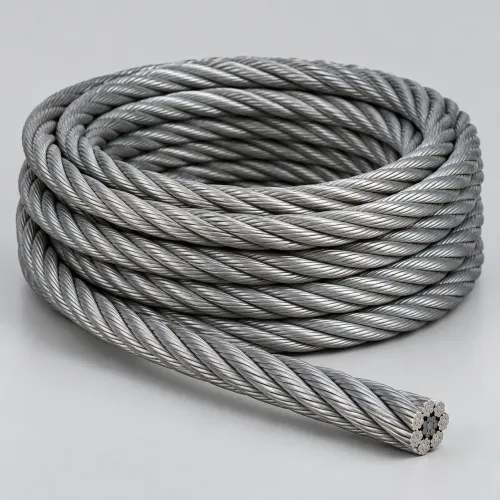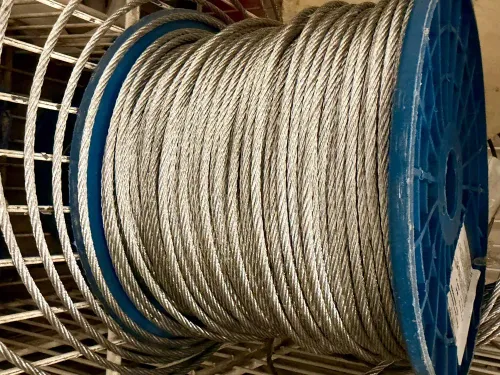
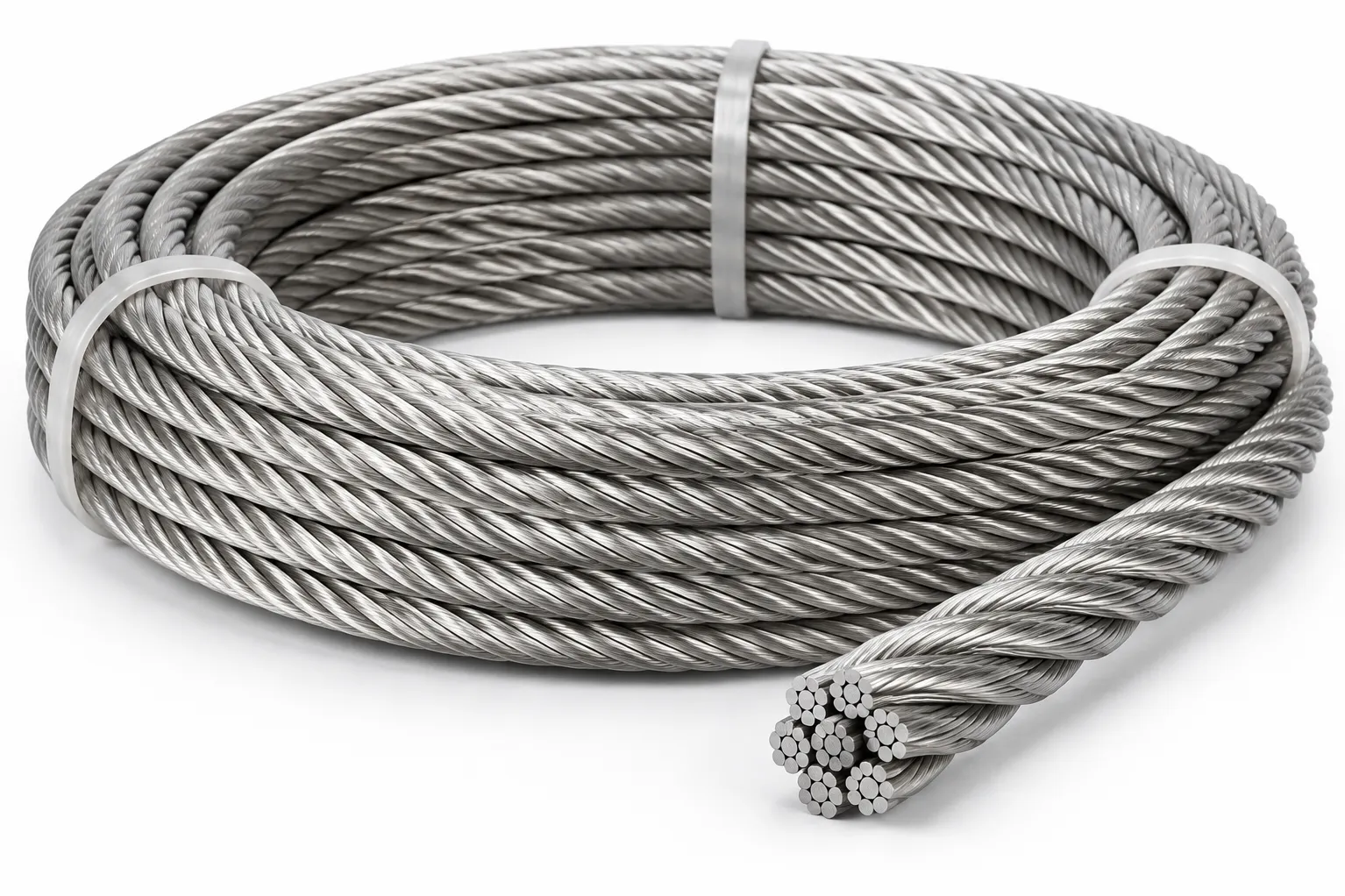
Industrial wire rope exposed to moisture, chlorides, salt-laden air, or other corrosive conditions requires careful material selection. Stainless Steel Wire Rope 316 is frequently considered for such environments because grade 316 provides stronger resistance to certain forms of corrosion than many general-purpose stainless-steel grades.
For industrial operations around Ahmedabad, Gujarat, selection should still be based on actual exposure conditions rather than material name alone.
What Is Stainless Steel Wire Rope 316?
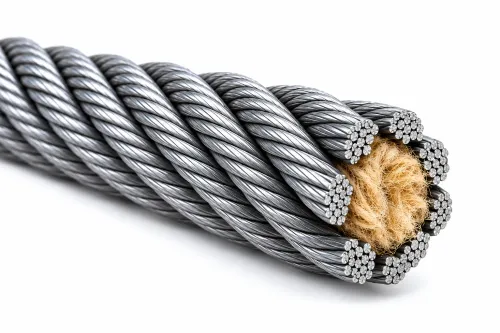
The rope is manufactured using grade 316 stainless-steel wires formed into strands and assembled into the required rope construction.
Grade 316 contains molybdenum, which contributes to improved resistance in certain chloride-containing and corrosive environments.
This can make it useful for applications involving:
- Outdoor installations
- Moist industrial environments
- Selected marine environments
- Chemical-processing facilities
- Food-related equipment where appropriate
- Architectural applications
- Industrial assemblies exposed to weather
However, no stainless-steel grade is completely immune to corrosion under every condition.
Why Environmental Assessment Matters
Corrosion is influenced by more than whether a component gets wet.
The type and concentration of contaminants, temperature, duration of exposure, cleaning practices, crevices, deposits, and contact with other materials can all affect deterioration.
For industrial facilities in Gujarat, procurement teams should describe whether the rope will operate indoors, outdoors, around chemicals, near salt exposure, or in a continuously wet environment.
This information can influence both material and rope construction.
Mechanical Requirements Cannot Be Ignored
Choosing grade 316 does not remove the need to evaluate mechanical performance.
Wire rope selection should consider factors such as:
- Working conditions
- Required breaking force
- Flexibility
- Bending cycles
- Sheave dimensions
- Abrasion
- Drum configuration
- Rope speed
- End connections
A corrosion-resistant rope that is mechanically unsuitable for the equipment is still the wrong rope.
Surface Inspection Is Important
Stainless steel wire rope should be inspected during service. Discoloration, local corrosion, broken wires, deformation, wear, and damage near terminations should be investigated.
Areas where moisture or contaminants remain trapped can deserve particular attention.
Cleaning and maintenance methods should be compatible with stainless steel and the surrounding equipment.
Avoid Grade Selection Based on Assumptions
One common procurement mistake is assuming that the most corrosion-resistant available option is automatically the most economical.
The better approach is to define the service environment and performance requirements first.
Mahadev Industries can support industrial buyers seeking wire rope configurations suited to specific engineering applications. Providing operating information allows suppliers to understand the requirement more accurately.
For buyers in Ahmedabad, Stainless Steel Wire Rope 316 can be a valuable option where corrosion exposure justifies its use, but successful selection still depends on matching the complete rope specification to the application.
Keywords