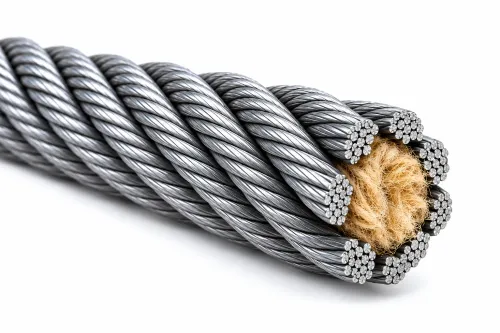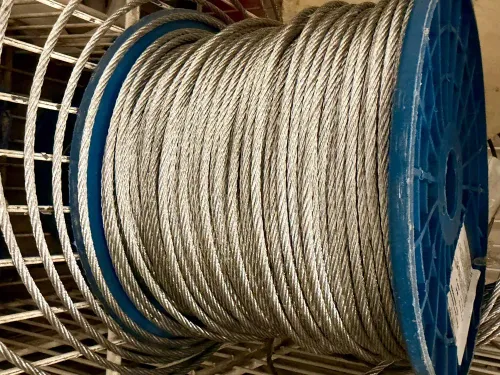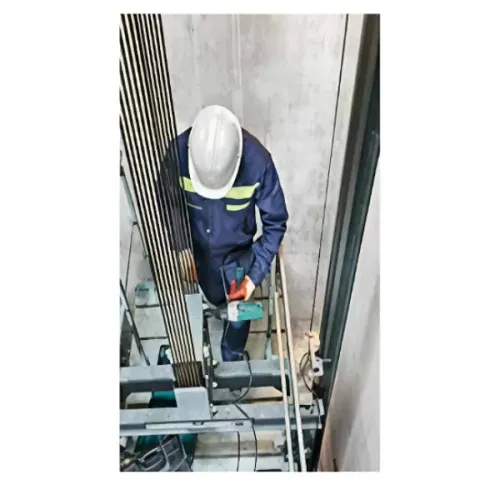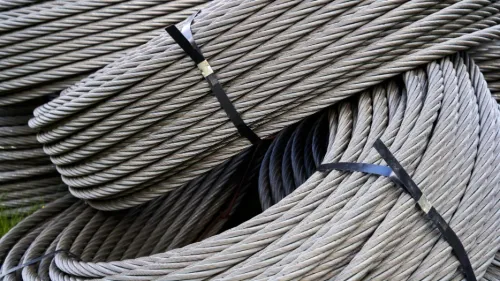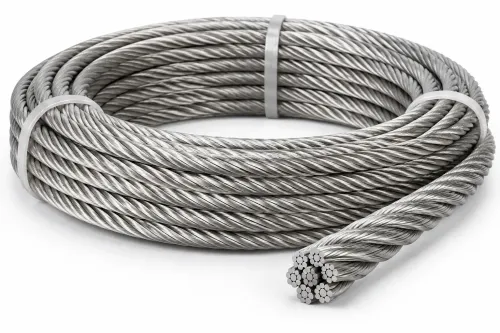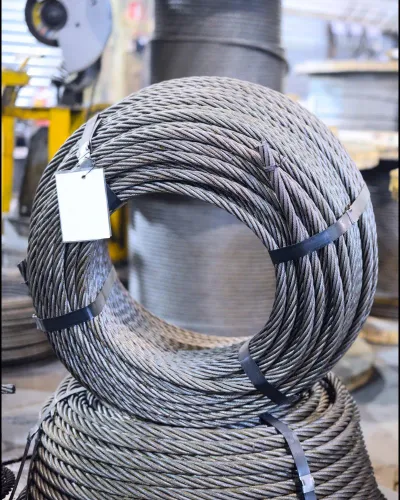
Crane operators frequently need to control load rotation while maintaining reliable lifting performance. Rotation Resistant Wire Rope is designed to reduce the tendency of a rope and suspended load to rotate under load compared with conventional rope constructions.
For crane-related operations around Coimbatore, Tamil Nadu, selecting this type of rope requires careful consideration of lifting height, reeving arrangement, load characteristics, equipment design, and manufacturer requirements.
Why Rotation Occurs
Conventional stranded wire ropes can generate torque when loaded. In certain lifting arrangements, particularly where a load is suspended on a single line or at substantial lifting height, this can contribute to load rotation.
Rotation-resistant constructions use layers or strand arrangements designed so that opposing rotational tendencies help counteract each other.
The degree of rotational resistance varies by rope design.
When It May Be Considered
Rotation-resistant rope may be evaluated for applications such as:
- Mobile cranes
- Tower cranes
- Construction cranes
- Long lifting heights
- Single-part hoisting arrangements
- Equipment where load spin presents an operational concern
Its use should always remain consistent with the crane manufacturer's specifications.
Common Selection Mistakes
A frequent mistake is treating all rotation-resistant ropes as interchangeable.
Different constructions can have different characteristics relating to strength, rotation, flexibility, crushing, fatigue, and handling.
Another mistake is selecting only according to diameter.
A technically complete specification may need construction, diameter, grade, lay, minimum breaking force, core characteristics, and application information.
Installation Deserves Special Attention
Improper handling can introduce unwanted twist or damage into a rope before operation begins.
The rope should be transferred from its reel using appropriate methods and installed without uncontrolled loops or kinks. The equipment's drum, sheaves, and reeving arrangement should also be inspected.
Installation procedures should follow manufacturer recommendations and relevant operating requirements.
Inspection Should Reflect Rope Construction
Rotation-resistant wire ropes can have complex internal structures. External visual condition remains important, but inspection requirements may need to account for deterioration that is not immediately obvious.
Qualified personnel should follow the appropriate inspection criteria for the rope and equipment.
Procurement Should Start With Application Data
Mahadev Industries supplies wire rope solutions for crane and lifting applications where buyers may need construction-specific products.
For industrial users in Coimbatore, a more effective enquiry includes crane type, rope function, lifting height, diameter, construction, reeving arrangement, and existing rope specification where available.
Rotation Resistant Wire Rope can solve important operational challenges, but only when it is correctly matched to the crane. Treating it as a specialized engineered component rather than a generic anti-spin rope leads to more informed procurement.
Keywords