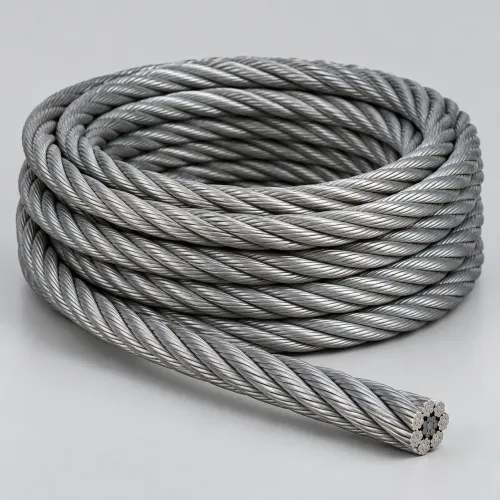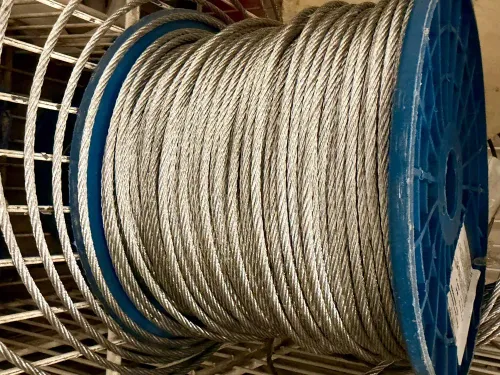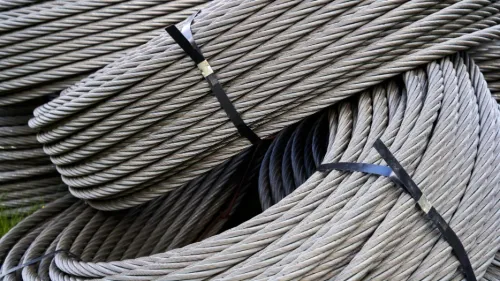
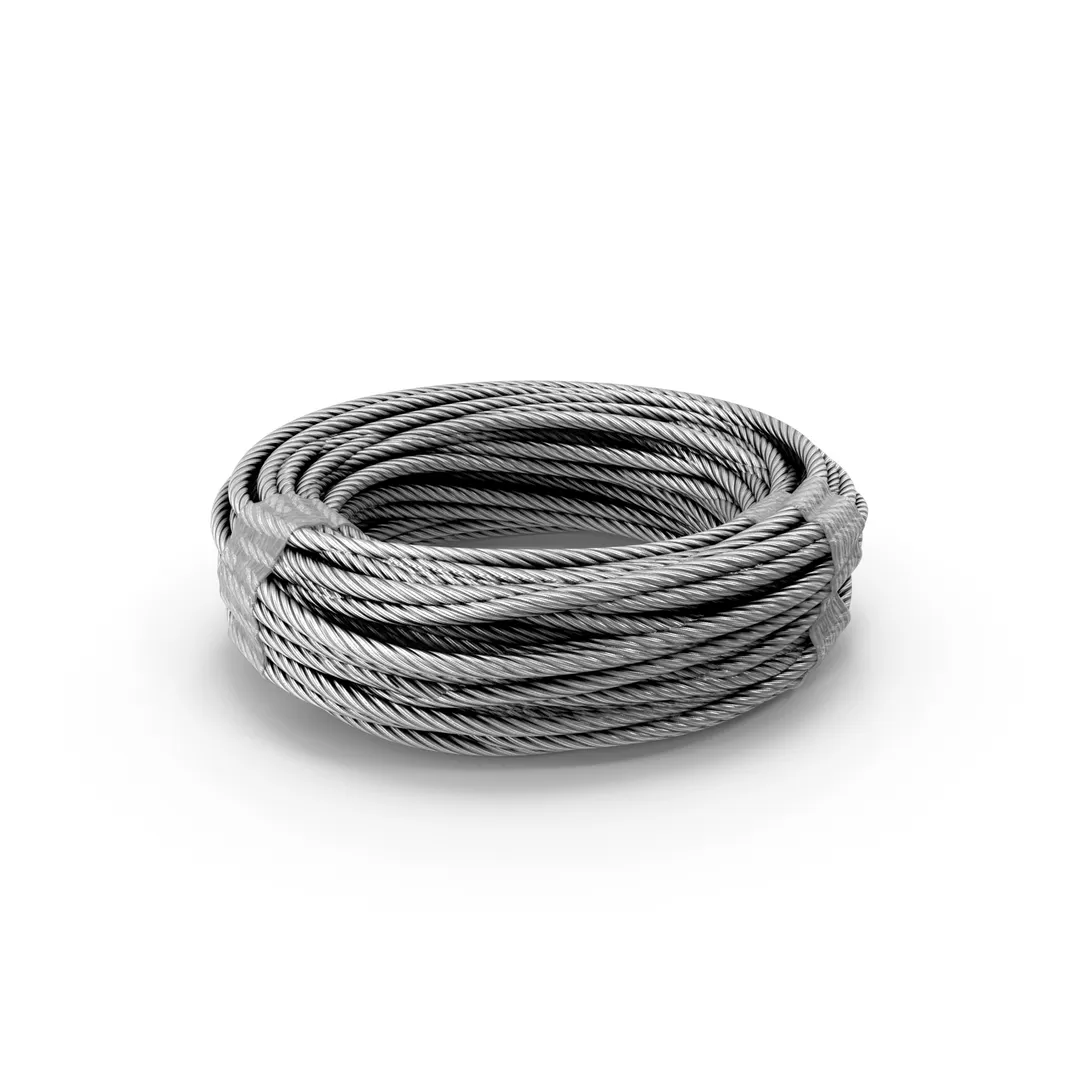
Bright steel wire rope is widely used in lifting, hoisting, material handling, construction, engineering, and general industrial applications. Unlike galvanized wire rope, bright wire rope typically does not have a zinc-coated surface. Its suitability therefore depends heavily on operating conditions, lubrication, load requirements, and maintenance practices.
For industrial buyers in Mumbai, Maharashtra, selecting the correct rope is particularly important for applications involving cranes, ports, fabrication facilities, infrastructure projects, and material-handling equipment.
What Is Bright Steel Wire Rope?
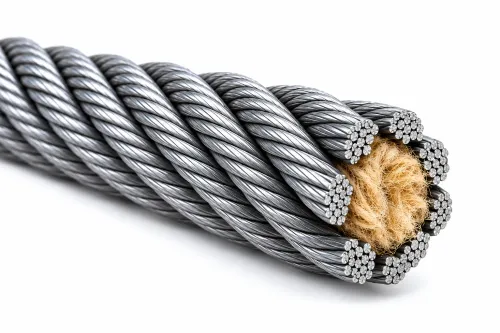
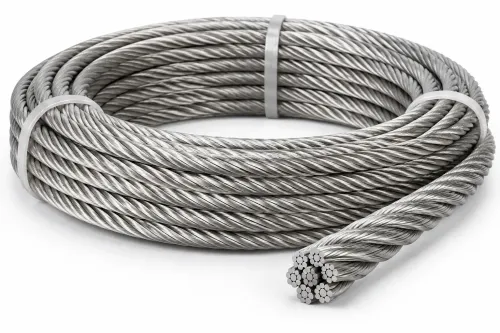
Bright steel wire rope is manufactured from uncoated steel wires that are formed into strands and laid around a core. Different constructions are available depending on the flexibility, abrasion resistance, strength, and operating characteristics required.
The rope should never be selected simply by matching its diameter with an existing rope. Construction and core type can substantially affect performance.
Important specifications may include:
- Rope diameter
- Number of strands and wires
- Core construction
- Tensile grade
- Lay direction and type
- Minimum breaking force
- Lubrication
- Required flexibility
- Equipment compatibility
A 6x37 construction, for example, behaves differently from constructions containing fewer but larger individual wires.
Where Bright Wire Rope Is Commonly Used
Bright steel wire ropes can be suitable for controlled industrial environments where corrosion exposure is manageable. Typical applications may include cranes, winches, hoists, engineering machinery, construction equipment, and industrial lifting systems.
In Mumbai's industrial and port-related operating environment, buyers should pay particular attention to moisture and atmospheric exposure. A rope suitable for an indoor manufacturing facility may require different protection and maintenance when used near coastal conditions.
Why the Core Matters
The core supports the surrounding strands and helps maintain the rope's geometry.
An Independent Wire Rope Core, commonly called IWRC, provides metallic support and is frequently considered where strength, resistance to crushing, and demanding operating conditions are important.
Fiber cores offer different characteristics and may be selected where flexibility and other application-specific properties are preferred.
Neither core should automatically be considered better. The correct choice depends on the equipment and duty cycle.
Check More Than Breaking Strength
Breaking strength is an important specification, but it is not the only selection criterion.
Industrial buyers should also consider bending fatigue, sheave and drum arrangement, abrasion, fleet angle, operating speed, temperature, shock loading, and environmental exposure.
Using an incorrectly specified rope can contribute to premature wear even when its nominal breaking strength appears sufficient.
Inspection Remains Essential
Wire rope is a wear component. Regular inspection should look for deterioration such as broken wires, corrosion, crushing, kinking, unusual diameter changes, deformation, and excessive wear.
Lubrication requirements should also be followed according to the rope, equipment, and operating environment.
Mahadev Industries supplies wire rope solutions for industrial requirements where construction, size, core, and application need to be considered together.
For procurement teams in Maharashtra, providing detailed equipment and operating information before ordering helps reduce specification errors and supports safer, more predictable rope performance.
Keywords